
Blog
Ruger 10/22 Tactical Chassis Breakthrough: Precision Redefined

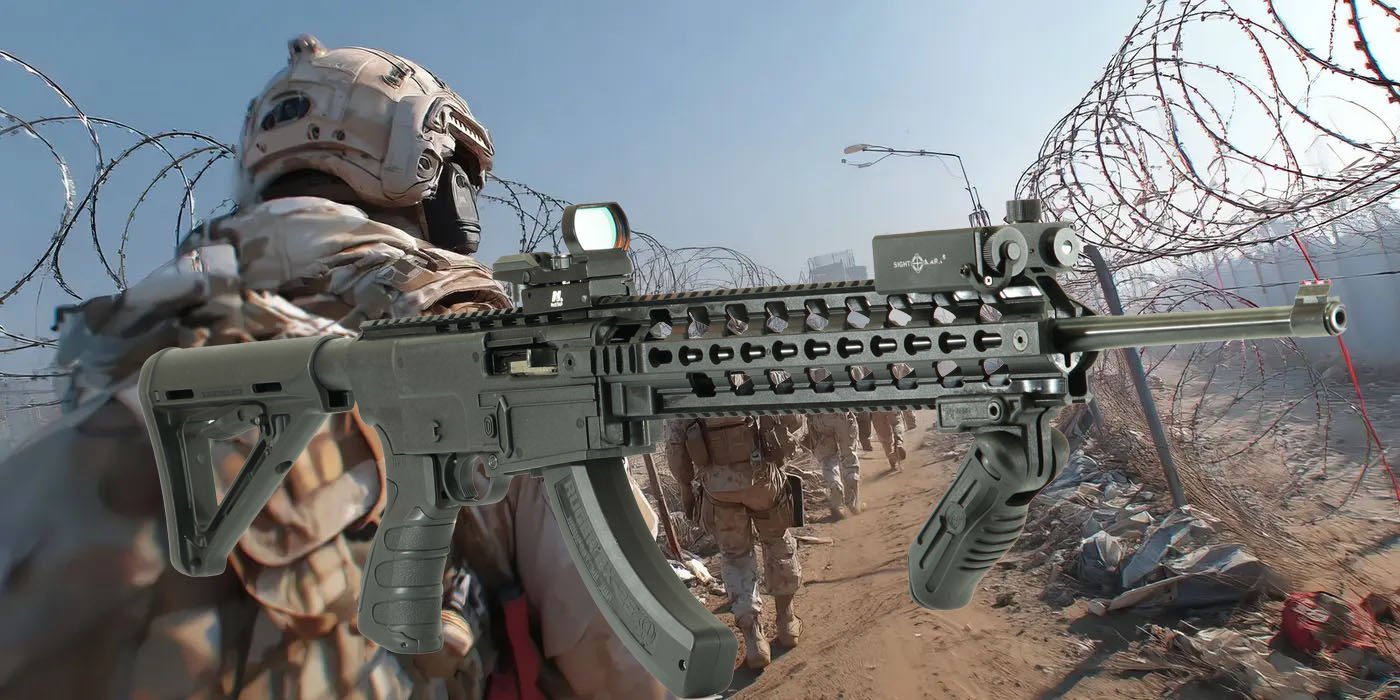
Patterns of Precision
The Florida morning arrived quiet, with pastel light cutting across the workbench. The Ruger 10/22 tactical chassis prototype rested beside a digital caliper and a notebook stained with machining oil. Alex had slept only two hours, but his mind was alive.
He re-read his data: group sizes, stress‑strain readings, ambient humidity effects. It wasn’t perfect, not yet. But perfection wasn’t the goal—progress was.
He’d proven the polymer design Ruger 10/22 Tactical Chassis could stabilize the receiver without flexing, but now came the harder part: repeatability. A one‑off success wasn’t innovation; reliable results were.
From Prototype to Process
Alex uploaded his CAD renders to a cloud design group he moderated with a dozen other small‑shop builders. Some had backgrounds in aerospace plastics, others in CNC metalworking. Together they represented an invisible network of modern craftsmen—people redefining American manufacturing one email thread at a time.
Within hours, feedback poured in:
- “Try thicker ribs along the tang bedding.”
- “What’s your polymer-to-glass ratio?”
- “Consider vibration mapping during recoil.”
Each suggestion meant another late night, another test mold, another data sheet pinned to his corkboard. Yet every iteration made the Ruger 10/22 tactical chassis stronger—and smarter.
Innovation wasn’t a lightning strike, Alex thought. It was pattern recognition carved into persistence.
H4: Field Testing the Ruger 10/22 Tactical Chassis
Two weekends later he joined the local range crew outside Naples, setting up on the 50-yard line. They were familiar faces—hunters, hobbyists, a retired machinist who’d been blueprinting barrels since the ’70s.
When Alex laid his polymer build on the bench, heads turned.
“Plastic?” one of them asked skeptically.
“Glass‑reinforced nylon,” Alex said, tapping the chassis. “Rigid as aluminum, half the weight.”
The first five rounds proved the point. Tight clusters. No drift. The balance let the rifle track naturally through targets, and the polymer’s damping made follow‑up shots buttery smooth.
By the third string, his range mates were passing the rifle between them with astonishment.
“Feels alive,” the old machinist said. “And it’s light—like it wants to move with you.”
Alex smiled. That was exactly the point.
Building Trust One Shot at a Time
Back at the shop, he cataloged the test data. No cracks around bedding points, no rail shift under recoil torque. It was the first time every metric landed inside spec.
He leaned back, exhaling. The best chassis for Ruger 10/22 rifles wasn’t a mass‑produced relic of a distant factory—it was a handcrafted advancement born from better materials, better physics, and better ideas.
An email pinged on his laptop. It was Kara, an industrial designer he’d met through an online maker forum:
“Your thermal‑stress data’s clean. You’re close to production quality.
Call me—I might know a small‑batch molding facility in North Carolina.”
That single message changed everything.
Blueprint to Breakthrough
They talked for hours that night—materials sourcing, tooling costs, domestic suppliers who could scale without sacrificing precision. Kara’s voice carried the same excitement Alex felt in his chest: the thrill of making.
Over the following weeks, their collaboration turned sketches into systematized design. Kara optimized flow channels in the injection mold, and Alex refined the fore‑end geometry for efficient cooling cycles.
When the first batch of molded parts arrived, the surface texture was perfect—matte finish with subtle grain, like machined polymer rather than cast plastic.
Alex fitted one onto a test rifle, torqued the receiver screws, and braced for that first press of the trigger. The sound felt familiar, satisfying, right.
And the groups? Better still—sub‑MOA at 50 yards, consistent across dozens of shots.
A Quiet Revolution
Some revolutions aren’t loud. They hum. They glow. They whisper in the soft click of a perfectly fitted part.
That night, as Alex packed up for shipment to Kara’s lab, he realized he wasn’t alone in rebuilding what “Made in America” meant. Every small team, every individual shop forming real things from raw ideas—they were threads in the same design.
As midnight rolled over, he placed one newly completed Ruger 10/22 chassis into a cardboard box, with his initials under the takedown well—an old craftsman’s habit.
The box label read simply: Prototype 2, Batch A.
He looked at it sitting by the door, ready for shipping, and felt the room fill with the most honest energy there is: hope earned through creation.
The rifle still leaned against the bench, gleaming under soft light. Outside, waves in the canal reflected off its polymer curves.
The future, Alex thought, isn’t about replacing tradition. It’s about perfecting it—one molded line at a time.