
Blog
Modular Ruger 10/22 Chassis Explained

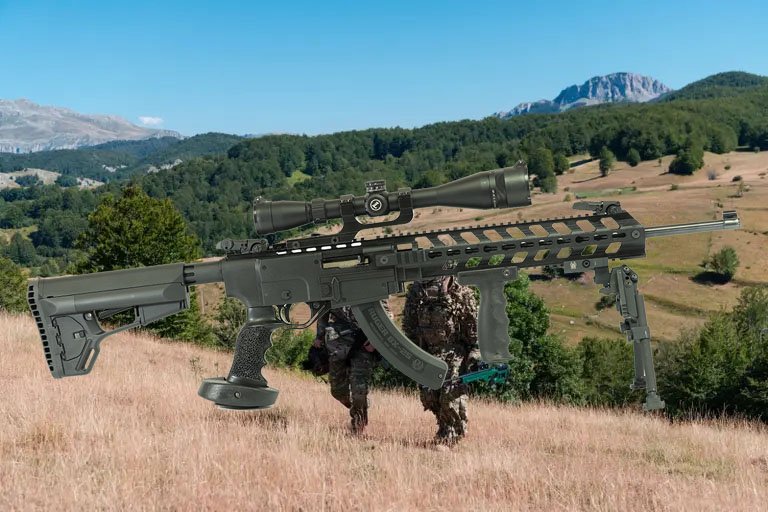
Modular Ruger 10/22 Chassis Explained focuses on the practical questions a buyer should answer before choosing parts for a Ruger 10/22 build. The goal is to compare fit, materials, included components, and configuration requirements without relying on exaggerated performance claims.
What the Component Changes
A chassis or related component changes how the rifle is configured, how accessories are mounted, or how stock and grip components interface with the receiver. The exact effect depends on the specific product.
Specifications Matter More Than Claims
Use weight, material, dimensions, compatibility, included components, and mounting interfaces to compare products. Avoid treating broad marketing claims as guaranteed performance.
Gungner Option
For the configuration assigned to this topic, review the current product page: https://gungnerinc.com/product/ruger-1022-chassis-tactical/. Check the latest compatibility, included components, pricing, and product specifications there before ordering.
Practical Checklist
Confirm the rifle model; identify the barrel profile; verify receiver fit; check stock and grip interfaces; review optics and accessory mounting; confirm included hardware; and make sure any optional adapters are appropriate for the intended setup.
Follow the firearm and component manufacturers’ instructions and applicable laws when installing or configuring firearm components.
Modular Ruger 10/22 Chassis Explained: Buyer and Compatibility Guide
This expanded guide focuses on modularity without unnecessary parts. The objective is to make the page useful for a buyer comparing a real Ruger 10/22 configuration, not simply to repeat a keyword. The questions below are organized around fit, interfaces, package contents, weight, and the parts that must work together. Where product options can change, the current Gungner product page remains the final reference before ordering.

Evaluate the Feature in the Context of the Whole Build
For modular ruger 10/22 chassis, focus on what the feature changes in the complete configuration: compatibility, stock or grip choice, optic placement, accessory interfaces, package contents, weight, and the number of additional parts required. A feature that is useful in one build can be unnecessary in another.
Use measurable specifications and current package information where possible. Avoid treating appearance, material, or the presence of more mounting points as a guarantee of better accuracy or performance.
Key Decision Points for This Topic
- Start with the parts that may realistically change later, such as the stock, grip, optic, or accessory arrangement.
- Use modular interfaces to solve a defined need rather than to maximize the number of possible attachments.
- Confirm that each planned component uses the correct interface and does not require an additional adapter that changes cost or fit.
- Keep total weight in view because a modular platform can become heavy once several optional components are installed.
- Plan cable-free, unobstructed access to normal controls and service points when positioning accessories.
- Compare the complete configuration with a simpler alternative to determine whether the extra modularity is genuinely useful.
Start with the parts that may realistically change later, such as the stock, grip, optic, or accessory arrangement.
Start with the parts that may realistically change later, such as the stock, grip, optic, or accessory arrangement. Treat this as a separate decision point and verify it against the current product information before ordering. That keeps the final configuration based on confirmed interfaces and package contents rather than assumptions from photographs or broad model names.
Use modular interfaces to solve a defined need rather than to maximize the number of possible attachments.
Use modular interfaces to solve a defined need rather than to maximize the number of possible attachments. Treat this as a separate decision point and verify it against the current product information before ordering. That keeps the final configuration based on confirmed interfaces and package contents rather than assumptions from photographs or broad model names.
Confirm that each planned component uses the correct interface and does not require an additional adapter that changes cost or fit.
Confirm that each planned component uses the correct interface and does not require an additional adapter that changes cost or fit. Treat this as a separate decision point and verify it against the current product information before ordering. That keeps the final configuration based on confirmed interfaces and package contents rather than assumptions from photographs or broad model names.
Keep total weight in view because a modular platform can become heavy once several optional components are installed.
Keep total weight in view because a modular platform can become heavy once several optional components are installed. Treat this as a separate decision point and verify it against the current product information before ordering. That keeps the final configuration based on confirmed interfaces and package contents rather than assumptions from photographs or broad model names.
Package Contents and Total Build Cost
A chassis-related purchase should be evaluated as a complete configuration. Check whether the listing includes only the chassis body or also includes a stock, grip, grip block, adapter, fasteners, or other hardware. Product photography can show a configured example, so photographs should not be used as the only evidence of what arrives in the box. Compare the written package contents with the parts already owned and make a short list of anything still required.
Total cost is more useful than the starting price. A lower-cost bare chassis can be the efficient choice when compatible components are already available, while a kit can be simpler when the included parts match the intended build. The correct answer depends on the existing parts inventory, not on a universal ranking of one package type over another.
Weight, Balance, and Accessory Discipline
Published component weight is useful, but the completed configuration is what the user actually handles. Barrel, stock, grip, optic, mounts, and accessories can change both total weight and where that weight is located. When a lightweight setup is the goal, record the weight of the complete planned parts list rather than optimizing one component while adding several optional accessories elsewhere.
Accessory mounting should follow the same discipline. Start with the optic and the accessories that serve a defined purpose. Confirm the mounting interface and available space, then add only what supports the intended configuration. More mounting locations are useful because they create options; they do not require every location to be filled.
Common Mistakes to Avoid
- Buying adapters before deciding which components will actually be used.
- Equating more mounting points with a better finished build.
- Ignoring cumulative weight.
- Creating overlapping or redundant accessory functions.
These mistakes share the same pattern: one visible feature is used as a shortcut for a complete compatibility check. A safer buying process separates receiver fit, barrel fit, stock and grip interfaces, optics mounting, adapters, package contents, and current product specifications. If any one of those items is uncertain, resolve it before ordering or attempting installation.
Frequently Asked Questions
Does changing to a chassis guarantee better accuracy?
No. A chassis changes the mounting platform, ergonomics, modularity, and available component interfaces, but it should not be presented as a guaranteed accuracy improvement. Shooting results depend on the complete rifle, ammunition, barrel, optic, assembly, condition, and shooter.
Can I assume every Ruger 10/22 configuration fits the same parts?
No. The Ruger 10/22 name identifies a product family, not a promise that every receiver configuration, barrel profile, stock, grip, adapter, and accessory combination is interchangeable. Check the exact configuration and current manufacturer compatibility information.
Should I buy a complete kit or reuse parts I already own?
Inventory the existing compatible components first. Reusing a stock, grip, optic, or other compatible part can avoid duplicate purchases. A complete kit can make planning simpler when its included components match the intended setup. Compare the written package contents and total finished cost.
What should I do if a part does not appear to fit?
Do not force the component. Re-check the receiver configuration, barrel profile, interfaces, adapters, and the manufacturer’s current documentation. For unfamiliar fitting or mechanical work, use a qualified gunsmith.
Where should I verify current specifications?
Use the current product listing and manufacturer documentation because available options, package contents, and compatibility notes can change. This article is a planning guide, not a replacement for current product specifications or assembly instructions.
For the current configuration assigned to this topic, review Gungner Ruger 1022 Tactical Chassis with Aluminum Grip Block. Check its current compatibility notes, product images, package contents, pricing, and specifications before ordering.
Editorial standard: This page is written to support purchasing and compatibility decisions without fictional stories, unsupported performance guarantees, or claims that a chassis change automatically improves accuracy.