
Blog
Industry Watch: Gungner’s Ruger 10/22 Tactical Chassis Gains Ground With Modular Performance Push

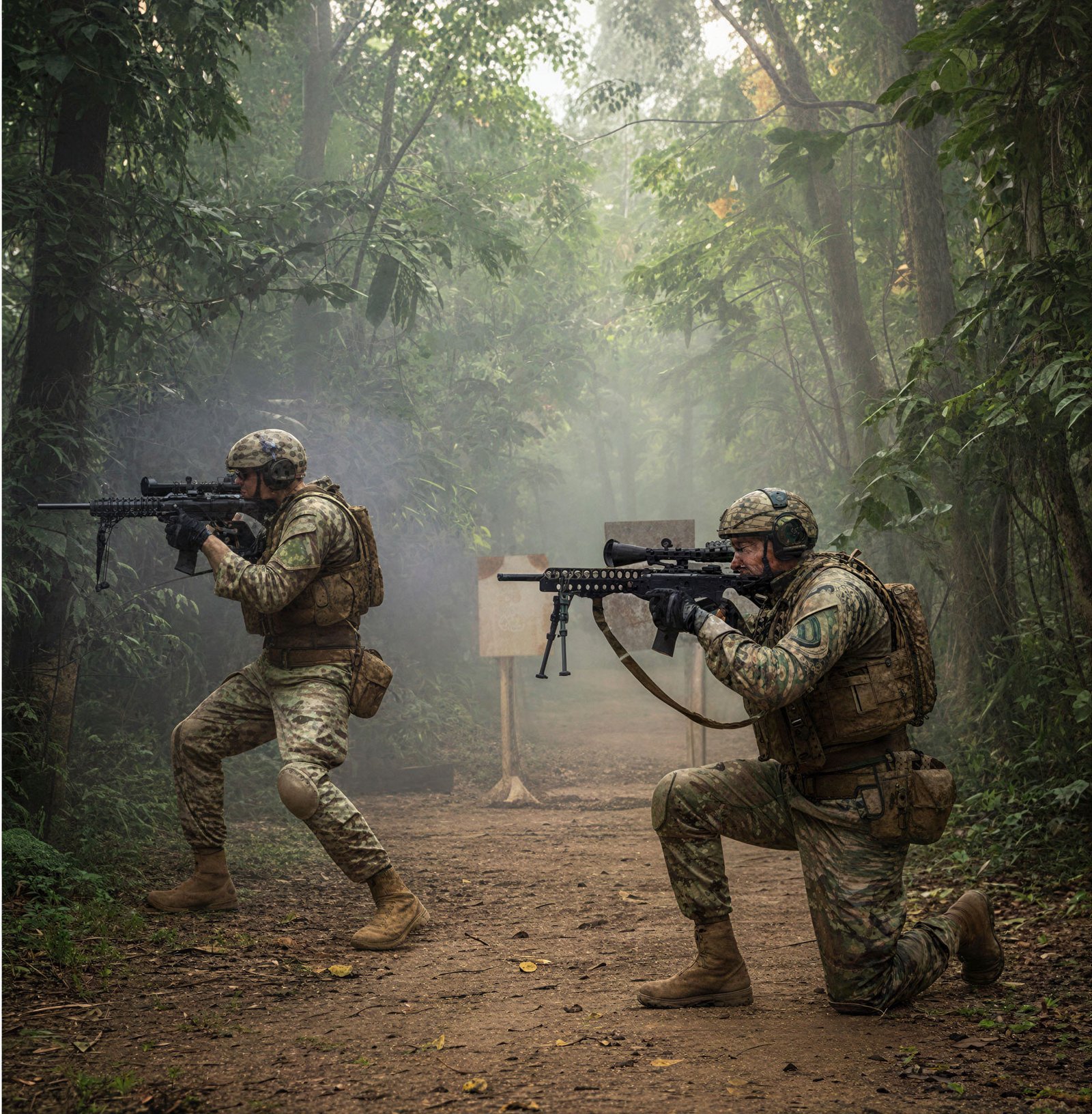
Gungner’s latest is quietly reshaping expectations in the rimfire upgrade market, drawing attention from both competitive shooters and casual enthusiasts. Early adopters report that the platform is turning the humble 10/22 into a more capable, newsworthy performer at the range.
Manufacturers have targeted the 10/22 action for years, but industry observers say Gungner’s entry signals a new phase of modularity and precision in the segment. Analysts note growing demand for lightweight, aluminum chassis systems that deliver rifle-like ergonomics without sacrificing the carbine’s legendary reliability.
Retailers report steady interest as shooters look to bridge the gap between plinking setup and competition-ready configuration. The chassis’ compatibility with common aftermarket parts appears to be a key factor, allowing owners to reuse optics, rails, and grips they already trust.
Armorers describe the installation process as approachable for hobbyists, a detail that matters in an era when more shooters prefer home builds over gunsmith services. Quick conversions are becoming a selling point, enabling users to move from factory stock to advanced chassis in a single evening at the workbench.
Why the is making headlines
Industry writers highlight how the Ruger 10/22 tactical chassis platform brings AR-style handling to a classic rimfire, tightening consistency during rapid strings of fire. This hybrid feel is sparking interest among trainers who want affordable rifles that still mimic centerfire ergonomics.
Range reports indicate that adjustable length of pull and improved cheek weld are delivering more repeatable shot placement. Shooters say these refinements reduce fatigue and make it easier to keep optics aligned, especially during extended practice sessions.
Some distributors describe the chassis as a gateway upgrade, introducing new owners to the broader world of precision rimfire. By starting with a familiar rifle and adding modern furniture, users are learning the basics of setup, fit, and balance without jumping immediately into high-cost platforms.
Clubs hosting steel challenge and NRL22-style matches are seeing more modified 10/22 builds on the firing line. Match directors suggest that entry-level competitors appreciate the lower recoil and lower operating cost while still enjoying the look and feel of a modern tactical build.
From a manufacturing standpoint, the Ruger 10/22 tactical chassis segment underscores how CNC machining and modular design are changing expectations in the rimfire category. Aircraft-grade aluminum, skeletonized cuts, and accessory mounting options are no longer reserved for centerfire precision rigs.
In interviews, instructors point out that better ergonomics can translate directly into safer gun handling. A more natural hand position and clearer sight picture help new shooters maintain control and awareness under supervision.
Retail buyers are also watching price trends closely, noting that chassis systems are becoming more accessible as competition increases. This affordability is encouraging owners to upgrade rather than replace their existing rifles, extending the service life of well-worn 10/22 actions.
The Ruger 10/22 tactical chassis is also playing a role in survival and backpack-rifle conversations, where compactness and durability matter. When paired with lightweight barrels and folding stocks, the platform can be configured as a portable kit for backcountry and farm use.
Gunsmiths say the shift from traditional wood or polymer stocks to rigid chassis has another benefit: more consistent bedding and reduced flex. These traits, commonly discussed in centerfire circles, are now entering mainstream rimfire discussions.
As more shooters share build photos and performance notes on social platforms, the Ruger 10/22 tactical chassis is gaining a second life as a customization canvas. Color-anodized components, unique grip choices, and personalized accessory layouts are turning standardized chassis into individual statements.
Industry forecasts suggest that this trend will continue, with manufacturers rolling out additional forend options, rail sections, and compatible accessories tailored specifically for the 10/22 footprint. Observers expect competition among brands to drive further innovation in weight, rigidity, and user adjustability.
For now, the Gungner Ruger 10/22 tactical chassis is emerging as a focal point in that evolution, illustrating how a classic rimfire can keep pace with modern tactical expectations. As range data, match results, and consumer feedback accumulate, the platform is likely to remain a recurring headline in rimfire upgrade coverage.