
Blog
Ruger 10/22 Modifications: A Practical Upgrade Planning Guide

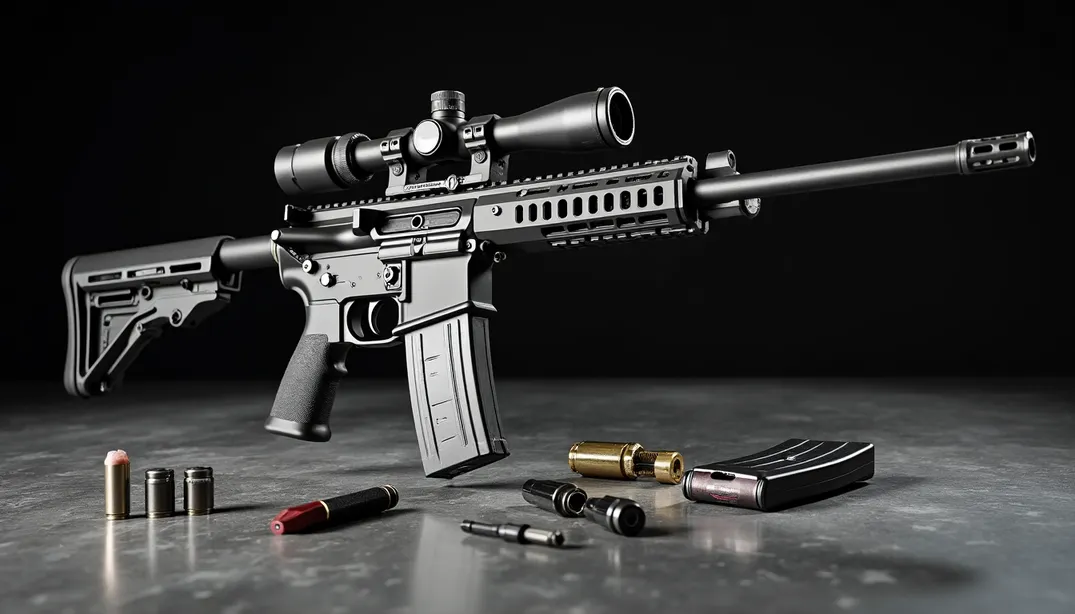
Ruger 10/22 modifications range from simple ergonomic changes to complete chassis-based builds. A useful upgrade plan starts with the goal of the rifle rather than a list of parts.
Start With the Purpose of the Build
Decide whether the priority is handling, ergonomics, optics mounting, trigger feel, weight, or modularity. That makes it easier to avoid buying parts that overlap or do not work together.
Common Ruger 10/22 Modification Categories
- Stocks and chassis: change ergonomics and the basic configuration of the rifle.
- Optics: select an optic appropriate for range use and expected distances.
- Trigger components: can change trigger feel and pull characteristics.
- Barrels: different profiles affect weight, balance, and compatibility.
- Accessory hardware: adapters and mounting components help complete a specific configuration.
When to Consider a Chassis
A chassis makes sense when the goal is a modular stock-and-grip arrangement, a Picatinny optics rail, or a configurable foundation instead of a conventional stock.
See the Gungner GR22 Ruger 10/22 Chassis
Check Compatibility First
Before ordering components, verify the receiver type, barrel profile, stock and grip interfaces, and the hardware included with each product. Ruger 10/22 Takedown compatibility should also be checked separately because not every chassis supports that model.