
Blog
Super Safety Trigger Learning to Stay Legal and Safe

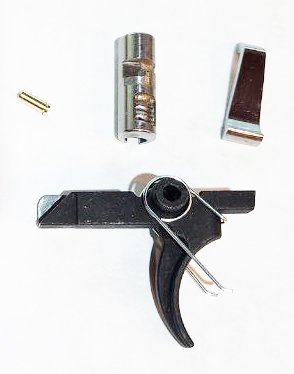
Mark loved shooting Super Safety Trigger, but he hated legal gray areas. Every time he heard about new regulations or court cases, he worried that one wrong purchase could cause serious trouble. When friends started mentioning Force Reset Triggers, he instinctively backed away. Then he heard about the super safety trigger, which people claimed was designed specifically to stay within federal law while still improving performance. Skeptical yet curious, he decided to dig deeper.
He spent evenings reading about definitions of machine guns and how they applied to trigger systems. The key phrase that always appeared was “more than one round with a single function of the trigger.” That was the line he refused to cross. As he researched the Super Safety system, he learned that the Super Safety trigger FRT was built around a simple principle: each shot still required a separate, intentional trigger pull. The mechanical force‑reset did not fire the gun; it only pushed the trigger back into position after the shot.
Understanding the Super Safety AR15 Design
The more Mark read, the more the Super Safety trigger made sense. Instead of holding the trigger back or using recoil to mimic automatic fire, the Super Safety FRT used mechanical linkage and energy from the bolt carrier to reset the trigger. That meant the shooter’s finger had to move for every shot. It was a faster, more assertive reset—but it never changed the fundamental relationship between finger and firearm.
He decided to build a dedicated Super Safety AR15 for training. The kit he ordered included the Super Safety cam, lever, detent pin, and the mil‑spec trigger milled specifically for the Super Safety interface. All parts were hardened stainless, compatible with standard AR‑15 fire‑control groups and both gas piston and direct‑impingement systems. He replaced his old selector with the compact push‑button Super Safety and performed thorough function checks before heading to the range.
First Range Session With Super Safety FRT
On the line, Mark loaded a single round and tested the system. The super safety trigger broke cleanly and reset with a firm, positive snap. He repeated this one‑round cycle several times, confirming that nothing about the system caused the rifle to fire without an intentional press. Only then did he load a full magazine.
As he worked through controlled pairs and short strings, the Super Safety trigger FRT helped him find a smooth cadence. Each shot felt deliberate, but the strong mechanical reset eliminated the guesswork he’d felt with his previous trigger. The Super Safety AR15 build made it obvious when the trigger was ready for the next pull, which actually made it easier for him to maintain strict control over his firing rhythm.
Why the Super Safety Trigger Built Confidence
Back home, Mark reflected on how much more relaxed he felt. Instead of worrying that his equipment might accidentally violate some line in the law, he now understood exactly how his Super Safety configuration worked. The super safety trigger system demanded that he press for each round, embodying the one‑pull‑one‑shot rule he respected.
He began sharing his findings with friends at the range. When someone expressed concern about FRTs, he explained how the Super Safety trigger FRT differed from misunderstood devices. He emphasized that the Super Safety AR15 setup didn’t automatically fire multiple rounds; it simply provided a quicker, more tactile reset that rewarded deliberate, repeated trigger presses. In doing so, it encouraged careful shooting rather than careless bursting.
Becoming the “Legal Guy” at the Club
Over time, Mark became known as the “legal guy” at his shooting club. People sought him out with questions about configurations, compliance, and best practices. He never claimed to be a lawyer, but he shared what he had learned and always repeated the same core principle: understand how your gear works and make sure it still requires your conscious input for every shot.
The super safety trigger became his favorite example of how smart design could balance performance with responsibility. He used his Super Safety AR15 in classes and informal demonstrations, letting others feel how the Super Safety FRT reset worked. Most people walked away impressed by how controlled and deliberate the shooting felt.
Mark no longer saw modern triggers as potential legal traps. With the Super Safety system, he had found a way to enjoy a faster, more responsive rifle while staying firmly grounded in the rules he cared about. The super safety trigger didn’t just improve his shooting—it restored his peace of mind and turned him into a resource for others who wanted to stay both skilled and compliant.