
Blog
Gungner Unveils Future-Ready Ruger 10/22 Platform With Tactical Chassis Upgrade

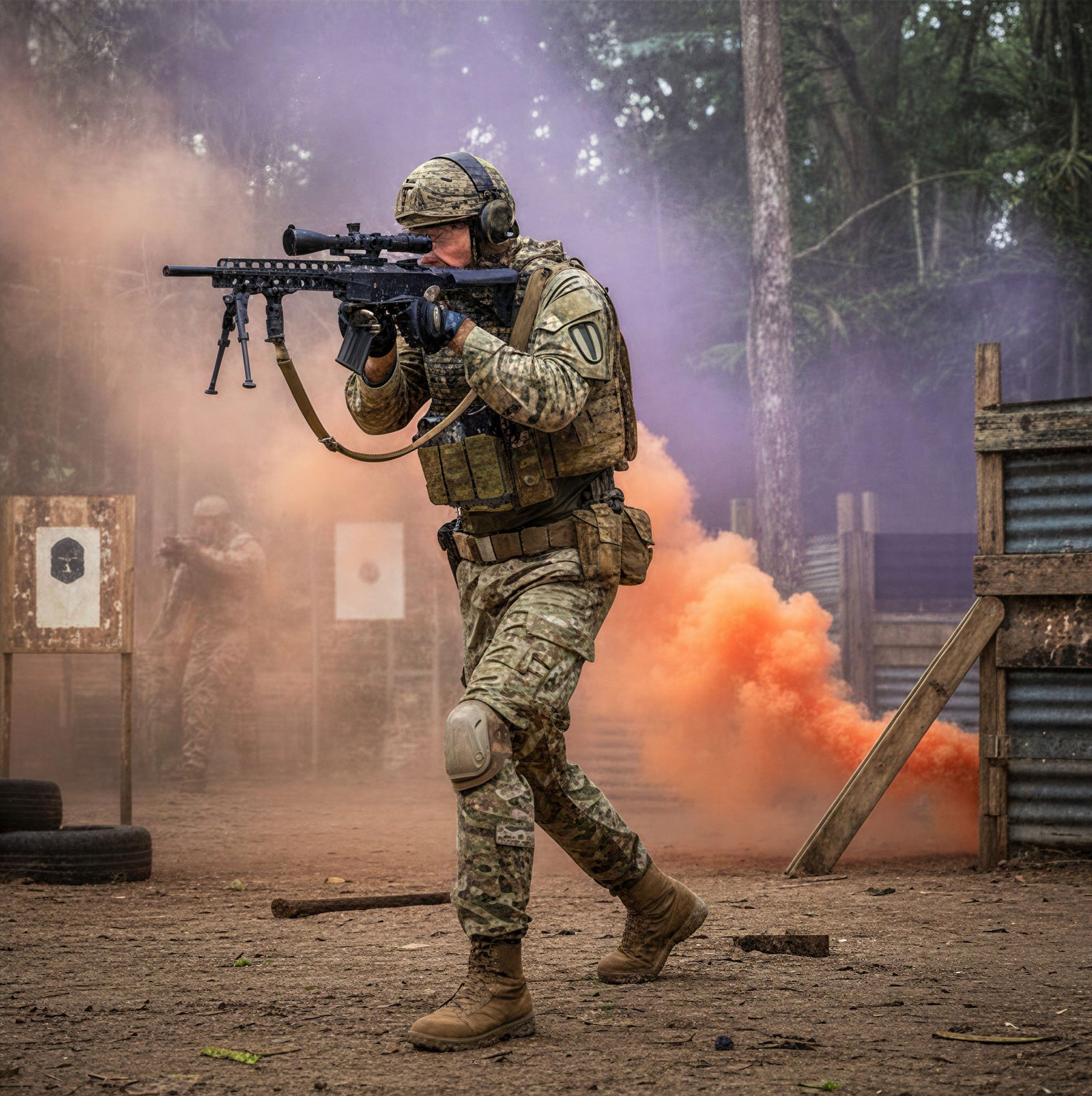
In a move closely watched by rimfire enthusiasts, Gungner’s latest is reshaping expectations around what a classic plinking rifle can do in modern tactical roles. The upgrade targets owners looking to convert a familiar platform into a precision-ready, mission-flexible setup without sacrificing reliability.
Industry observers say the launch reflects a broader trend: shooters are turning to chassis systems to extend the working life and versatility of proven actions rather than buying entirely new rifles. For many, the appeal lies in leveraging the Ruger 10/22’s track record while adding contemporary ergonomics, accessory mounting options, and improved handling.
Why the is making headlines
Part of the news buzz centers on how the transforms the rifle from a simple sporting tool into a configurable platform suitable for training, competition, and field use. Analysts note that this shift mirrors developments in centerfire precision rifles, where chassis systems have become the norm for performance-focused builds.
Gungner’s design emphasizes a rigid, lightweight frame that supports repeatable accuracy, especially when paired with quality barrels and optics. Commentators point out that the chassis solution gives users a more stable interface, helping shooters maintain control through varied shooting positions and environmental conditions.
Market reaction has been particularly strong among training schools and clubs that rely on affordable rifles to teach fundamentals. Instructors report that outfitting a 10/22 with a modern chassis lets students practice on a rimfire platform that feels closer to contemporary duty and competition rifles, easing the transition to larger calibers.
Retail insiders add that this has helped drive demand for tactical-style upgrades in the rimfire segment, with the Ruger 10/22 tactical chassis frequently cited as a gateway product into the broader chassis ecosystem. That dynamic is creating new accessory bundles, including optics, rails, and sling solutions built specifically around the upgraded 10/22 footprint.
Ruger 10/22 tactical chassis as a modular training tool
One of the key advantages receiving attention is modularity. Gungner’s chassis accommodates adjustable stocks, different pistol grips, and various fore-end configurations, allowing instructors and individual shooters to tailor fit and balance for different body types and training objectives.
Training coordinators say this flexibility is invaluable when outfitting shared rifles for classes, youth programs, or departmental marksmanship courses. Instead of maintaining multiple specialty guns, teams can start with one receiver and adapt the chassis setup for each session, reducing cost while preserving consistency in controls.
From a performance perspective, early adopters describe smoother transitions between standing, kneeling, and prone positions, aided by improved grip geometry and fore-end design. That lines up with trends seen in centerfire chassis applications, where optimized ergonomics contribute directly to faster target acquisition and steadier follow-up shots.
Additionally, the ability to integrate accessories like bipods, lights, and laser training devices has made the Ruger 10/22 tactical chassis attractive for scenario-based drills. Trainers can simulate low-light or positional shooting with minimal recoil and ammunition expense, yet maintain realistic equipment layouts.
Impact on the aftermarket and small-shop builders
The rollout is also being felt across the firearms aftermarket, where small manufacturers and gunsmiths are responding with new compatible components. Sources describe a growing ecosystem of rails, triggers, and barrel options specifically marketed to chassis-equipped 10/22 builds.
For custom shops, the platform offers a stable foundation for lightweight competition rifles, hunting carbines, and even compact survival packages. Builders note that the consistent chassis interface simplifies their work, making it easier to guarantee fit, finish, and performance across diverse configurations.
Retailers indicate that package deals built around the Ruger 10/22 tactical chassis are becoming a reliable entry point for customers curious about chassis systems but hesitant to invest immediately in premium centerfire builds. That approach lets shooters experiment with layout, accessories, and training regimens before scaling up.
Economically, observers say this strategy is supporting a more resilient aftermarket. When consumers can modernize an existing rifle instead of purchasing a new one, they are more likely to spend discretionary funds on quality optics, ammunition, and training, which benefits a wide swath of the shooting industry.
Looking ahead: the chassis as a standard feature
With Gungner pushing innovation at the rimfire level, some analysts predict that chassis-equipped .22 rifles could become a standard fixture in training and recreational arsenals. If that happens, the Ruger 10/22 tactical chassis will be viewed as one of the early catalysts for mainstream adoption.
Manufacturers are already monitoring feedback from users who have migrated to chassis systems, measuring changes in accuracy, user satisfaction, and upgrade longevity. Early reports suggest that shooters value the ability to modernize without losing the familiar feel and dependability of the underlying Ruger action.
As more organizations seek cost-effective ways to introduce new shooters to modern rifle ergonomics, Gungner’s approach may serve as a blueprint. By pairing a proven rimfire receiver with a contemporary chassis, they are helping bridge the gap between traditional plinking and serious training, while giving the venerable 10/22 a distinctly tactical future.