
Blog
How Gungner’s Ruger 10/22 Chassis Is Changing the Rimfire Training Game

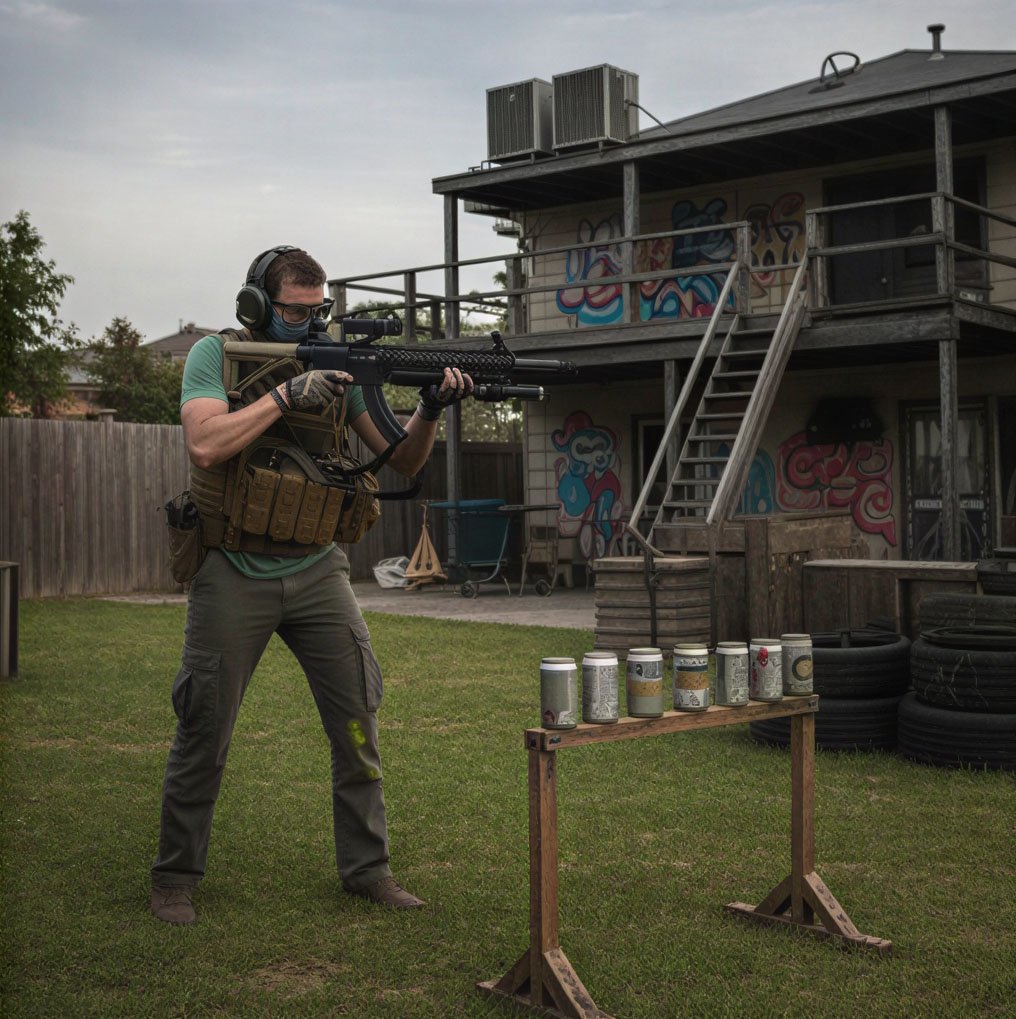
Across the training ranges of competitive shooters and new gun owners alike, the ruger 1022 chassis from Gungner is quietly redefining what a rimfire platform can do. Instructors and hobbyists are discovering that an affordable chassis conversion can turn a humble plinker into a serious training tool. As ammunition prices and centerfire recoil concerns mount, the 10/22 is stepping into a new role.
Firearms trainers are increasingly looking for ways to replicate centerfire handling at a fraction of the cost and recoil. The Gungner system is being adopted as a bridge, giving students an AR-style feel while keeping them on economical .22 LR. Industry observers say this shift is reshaping how early marksmanship fundamentals are taught.
Gungner’s design wraps the classic 10/22 action in a modern, modular shell that mimics the ergonomics of popular tactical carbines. Adjustable stocks, accessory rails, and improved cheek welds let a rimfire rifle handle like a duty or competition gun. For training facilities, that means a single rimfire platform can now stand in for more expensive centerfire rifles during basic drills.
At several regional ranges, instructors report that students transition more smoothly to 5.56 or .308 after time on a Gungner-equipped 10/22. The familiar control layout and improved stability allow them to focus on sight picture, trigger press, and follow-through. The result is fewer bad habits and better confidence when they finally shoulder a centerfire rifle.
Why trainers are standardizing on the ruger 1022 chassis
One of the biggest drivers behind the Gungner adoption is cost containment. A rimfire rifle in a modern chassis lets schools run high-round-count classes without burning through centerfire inventories. When multiplied across an entire season of courses, the savings are significant and measurable.
But the shift is not just about cost. Trainers say the reduced recoil and noise of .22 LR help new shooters stay engaged longer in each session. Students can shoot extended strings without fatigue, enabling more repetitions of core skills and more meaningful feedback on fundamentals.
The Gungner chassis also brings consistency to the training fleet. Instead of a mixed collection of worn wood-stock rimfires, programs are standardizing on a single, configurable pattern. That allows instructors to develop lesson plans around specific sling setups, optic heights, and support-hand positions, just as they would with centerfire carbines.
For departments and clubs with diverse student populations, adjustability is becoming a key selling point. The ability to tailor length of pull and cheek height means smaller-framed shooters no longer have to fight the gun to get a proper sight picture. That ergonomic fit translates to faster progress and fewer frustrated first-timers.
Competitive shooters are taking note of the trend and adopting similar setups at home. Many are building “mirror” rimfire rifles that match the weight and feel of their primary match guns. By dropping a 10/22 into a Gungner chassis, they can run identical drills in their backyard or local indoor range with minimal noise and cost.
Coaches in junior leagues say this mirroring approach is particularly powerful for younger athletes. It allows them to practice stage movement, target transitions, and positional shooting with a rifle that feels like their centerfire counterpart. When match day arrives, there are fewer surprises and less mental overhead.
From a safety standpoint, range officers appreciate the predictable layout and attachment points on the modernized 10/22. The chassis offers secure mounting locations for slings, lights, and even training aids like chamber flags and laser systems. Clear visual cues help staff monitor muzzle discipline and status at a glance.
Retailers confirm that accessory sales often follow a Gungner conversion. Once a shooter has the chassis installed, they tend to explore optics, bipods, and upgraded triggers to round out the package. This ecosystem effect is turning the once-basic 10/22 into a modular platform with an aftermarket more commonly associated with centerfire rifles.
How the ruger 1022 chassis is reshaping practice habits
Industry analysts note a broader cultural change in how often and where people train. With a rimfire chassis build, shooters are more willing to schedule short, frequent practice sessions instead of waiting for a full day at a distant outdoor range. The lower report and reduced recoil make it easier to use smaller facilities without disturbing neighbors.
In urban and suburban areas, some clubs are designing entire programs around the upgraded 10/22. Intro courses, youth leagues, and women’s clinics are using Gungner-equipped rifles as their primary teaching tools. Organizers report high retention rates, crediting the combination of user-friendly recoil and professional-feeling equipment.
The chassis trend is also narrowing the gap between “serious” training and casual recreation. Shooters who once viewed rimfire as strictly for fun are now using their 10/22 builds to record shot timers, run formal drills, and track performance metrics. The more the rifle feels like their go-to carbine, the more likely they are to treat each rimfire session as legitimate practice.
Looking ahead, trainers expect curriculum changes to reflect the new capabilities. Some are already designing progression plans that start on the Gungner configuration, then step students directly into a similarly equipped centerfire platform. The goal is a seamless pathway from first shot to advanced carbine work.
Manufacturers and range operators will be watching closely as the ruger 1022 chassis market continues to expand. If early reports hold, the 10/22 may move from the back of the safe to the front line of serious skills development. For many shooters, it is quickly becoming the most-used rifle they own.
For Gungner, the rimfire training revolution presents both an opportunity and a challenge. As expectations grow, shooters will demand durability, repeatable accuracy, and even more modular options from their chassis systems. The company’s response could help define the next phase of the modern rimfire era.
What is clear for now is that the ruger 1022 chassis is no longer just a cosmetic upgrade. On ranges across the country, it is reshaping the economics, ergonomics, and psychology of how people learn to shoot. In the process, it is giving the humble rimfire rifle a new and much larger role.
For more information, see this external resource: Ruger 1022 Chassis
Read our related coverage: Ruger 1022 Chassis